AI Agents and Tool Chaining in 2026: How to Build Workflows That Actually Finish the Job
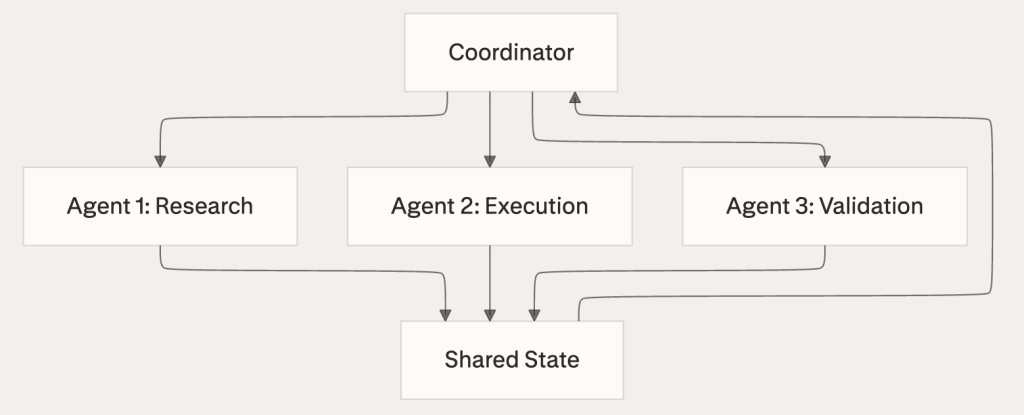
AI agents are useful when they complete bounded business tasks with reliable tool use, not when they simply produce long reasoning traces. That framing…
Stories, experiments, research and deep‑dives into the world of artificial intelligence
AI agents are useful when they complete bounded business tasks with reliable tool use, not when they simply produce long reasoning traces. That framing…
Are you tired of using outdated simulation tools that can't handle the complexity of your projects? Do you want to unlock the full potential…
The important shift in 2026 is architectural, not cosmetic. Llama 4 is positioned around native multimodality, Claude 4 around coding and agent workflows, and Gemini…
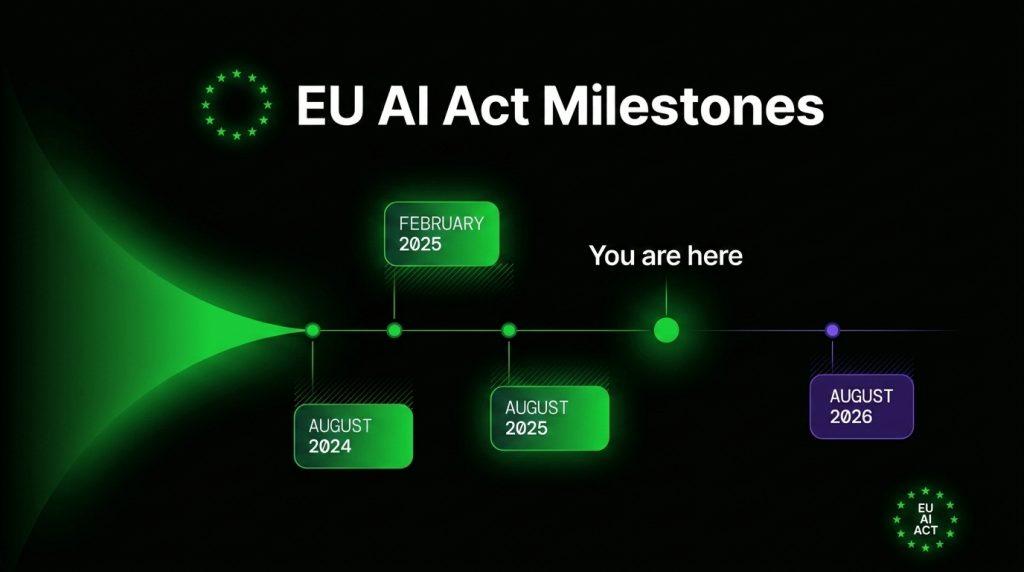
AI governance is not a legal appendix; it is an application-layer control plane. Regolo’s public positioning emphasizes EU-hosted APIs, Zero Data Retention, and GDPR-oriented enterprise…
We have added three new open models to Regolo: Qwen3.5 122B, Qwen3.5 9B, and Mistral Small 4 119B. Together, they give us a stronger…
AI email assistants are everywhere, but most tools still feel like generic text generators bolted on top of your inbox.What users actually complain about…
Programmatic tool calling is quickly becoming one of the hottest topics among LLM builders on Reddit, X and dev forums. Developers are moving beyond…
GraphRAG improves retrieval‑augmented generation by converting raw text into a knowledge graph, enabling multi‑hop reasoning and corpus‑wide synthesis that standard chunk‑based RAG cannot provide.…
LLM as a Service (LLMaaS) is changing how developers work. Rather than deploying and managing models yourself, you call a hosted API, get back…
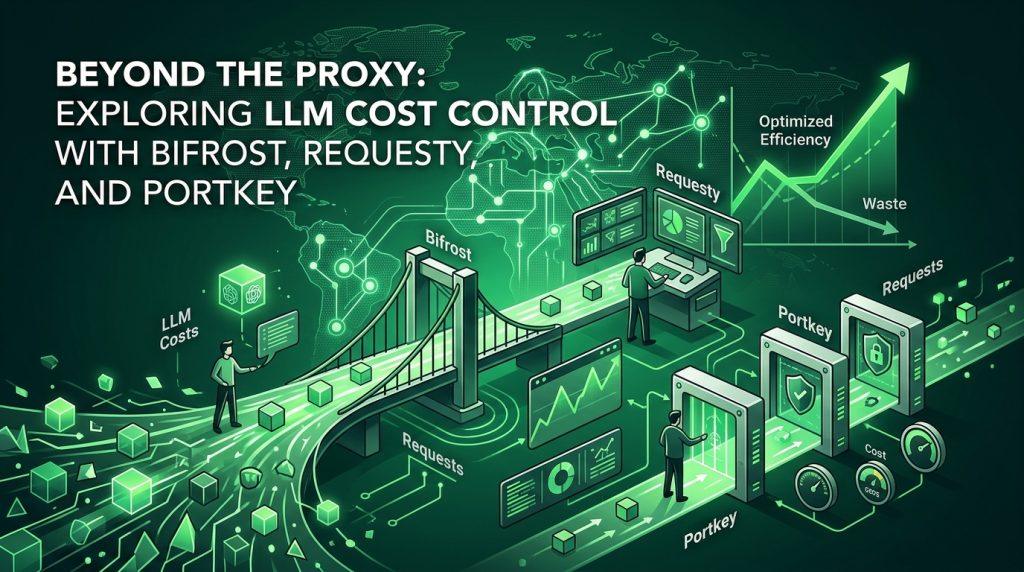
AI is becoming part of everyday products, but every prompt, completion, and agent workflow has a real infrastructure cost. The public debate has shifted…
Your AI feature goes viral. Traffic spikes. Users love it. Then your AWS invoice arrives — $47,000 for one month, with $18,000 labeled simply…
Review AI inference under GDPR with five concrete checks: geography, retention, transfers, persistence, and whether the architecture is defensible for the actual use case.