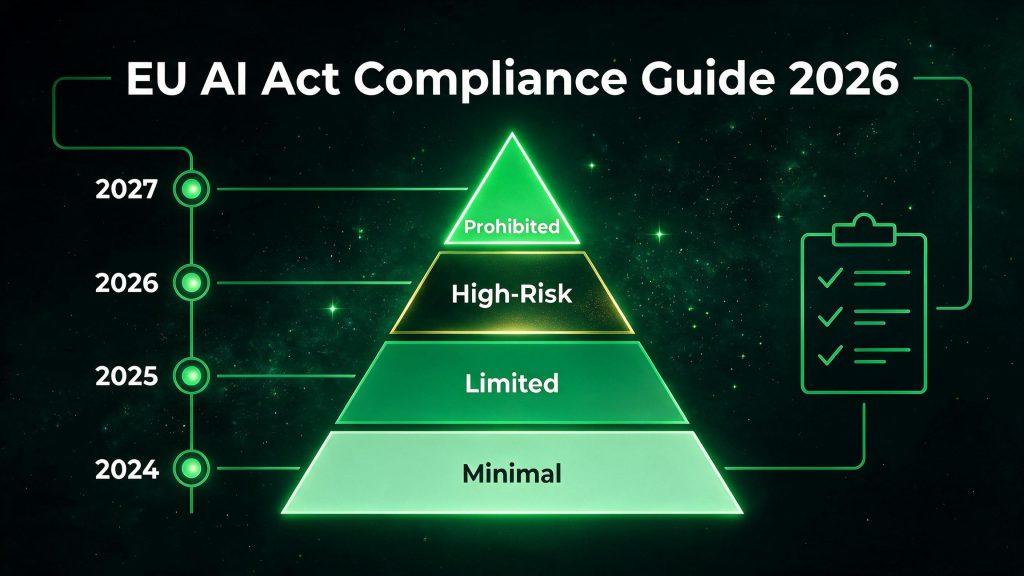
The EU AI Act beyond the basics: the obligations most guides forget
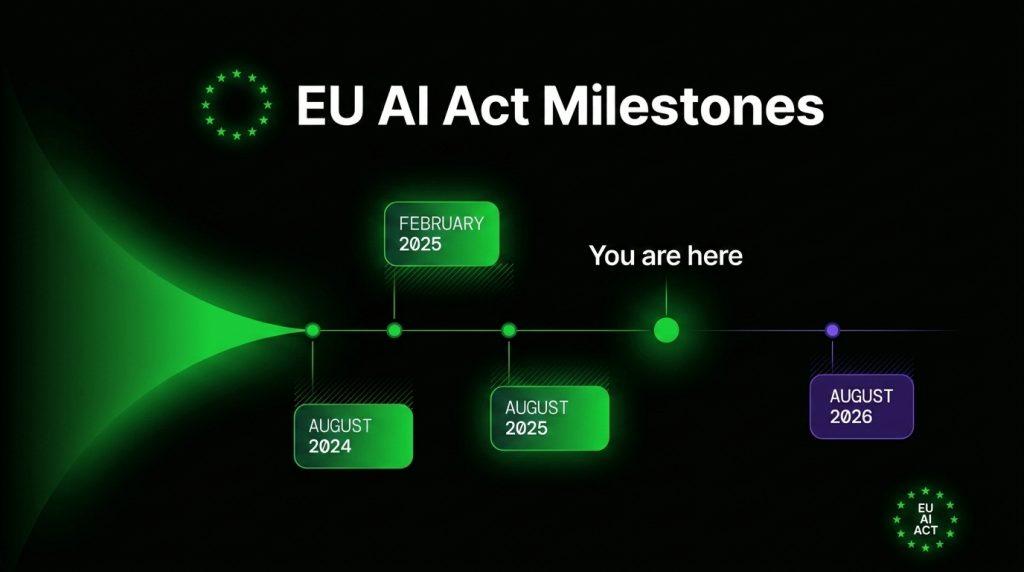
A practical guide to what the AI Act requires beyond the "5 transparency checks" everyone is talking about. Since August 2, 2026, the EU…
Insights on building AI systems that respect zero data retention, strong data privacy, and strict EU data requirements—from infrastructure choices to practical guides for compliant deployments.
A practical guide to what the AI Act requires beyond the "5 transparency checks" everyone is talking about. Since August 2, 2026, the EU…
In this guide the goal is narrow and practical: reduce the risk of avoidable Article 50 violations without turning compliance into a six-month architecture…
On that date, the AI Act’s general application phase starts: most obligations for high‑risk AI systems and transparency duties kick in for companies operating…
The decision of where to execute your large language models is no longer just an infrastructure line item; it is a core architectural and…
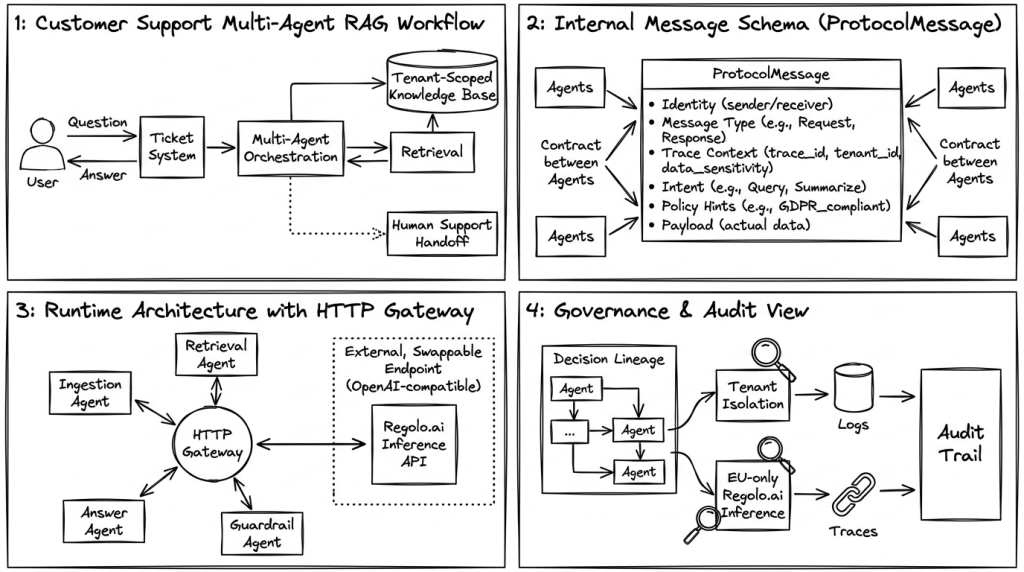
Most multi‑agent systems in production still “just pass prompts around”, which is exactly what breaks as soon as you add enterprise clients, ticket data,…
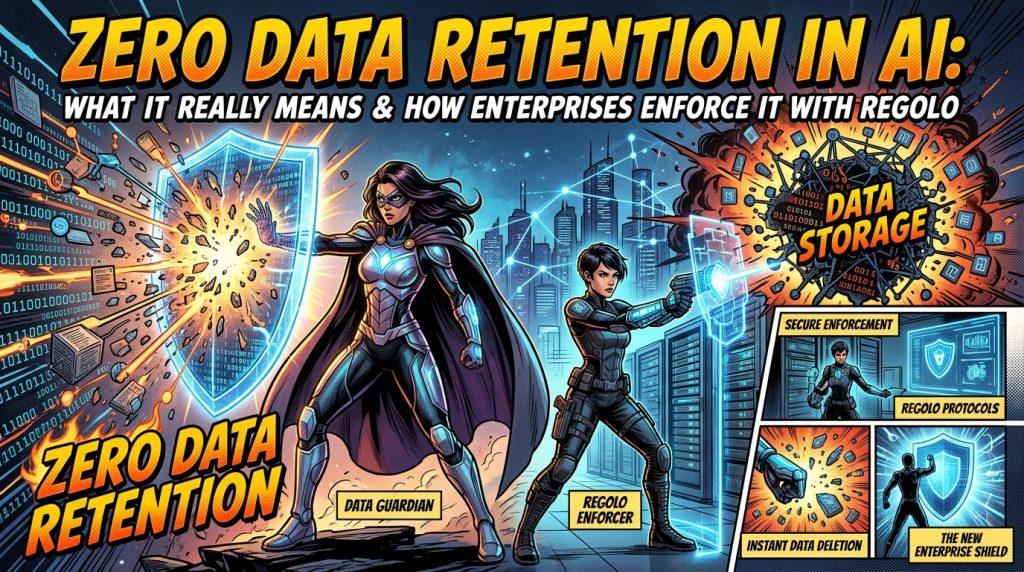
A direct comparison between true zero-retention inference and softer provider retention policies that still leave teams exposed.
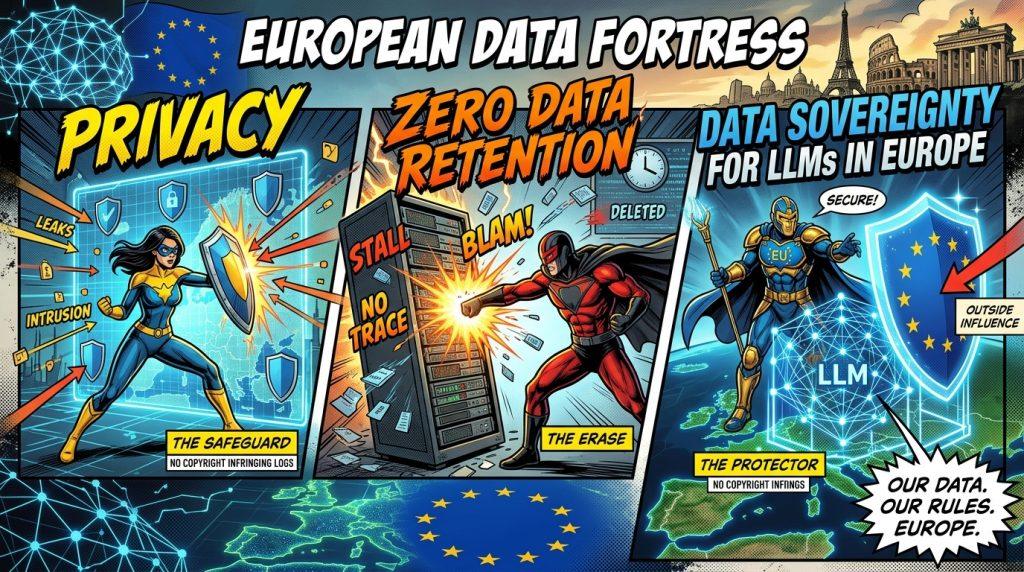
Why EU data residency solves only part of the enterprise AI review and what teams still need to verify after geography.
Keep inference inside EU jurisdiction, minimize retention, and design the stack so prompts, outputs, and tool payloads do not persist unless they truly must.…
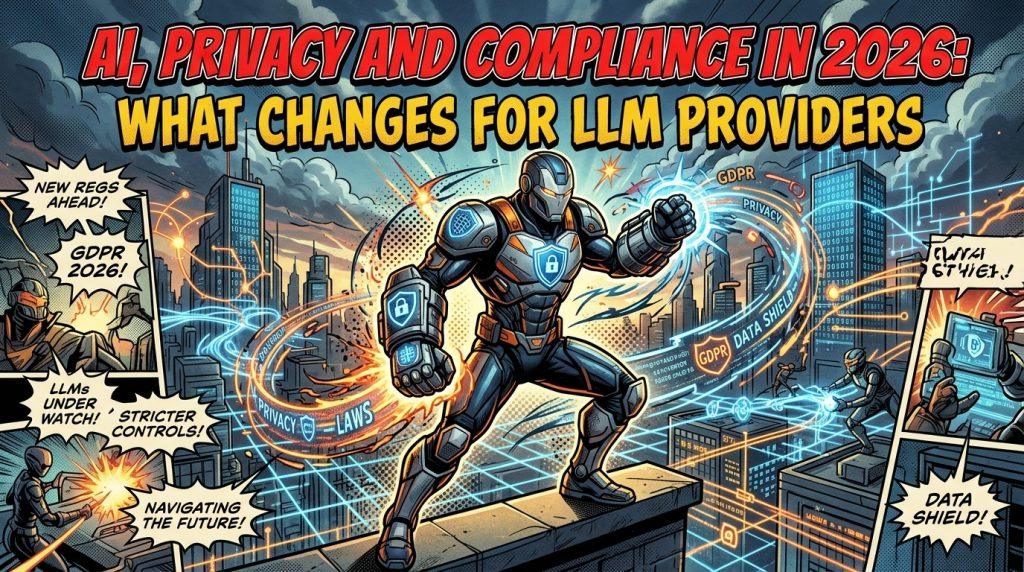
The 2026 wave of EU regulation makes AI governance and data protection a single, continuous compliance problem: if we ship or operate LLMs in…
Artificial intelligence is simultaneously our most promising tool for fighting climate change and one of its fastest-growing contributors. As AI adoption accelerates globally, the…
Privacy‑first AI tools trade some convenience for clear, technical guarantees that your data is not quietly fuelling someone else’s models. Why people look beyond…
When we talk about multi-agent AI in banking and insurance, we are really talking about splitting a heavy, regulated workflow — think KYC, AML,…