How to use CodeGraphContext with Regolo and RooCode to cut token costs and ship smarter code
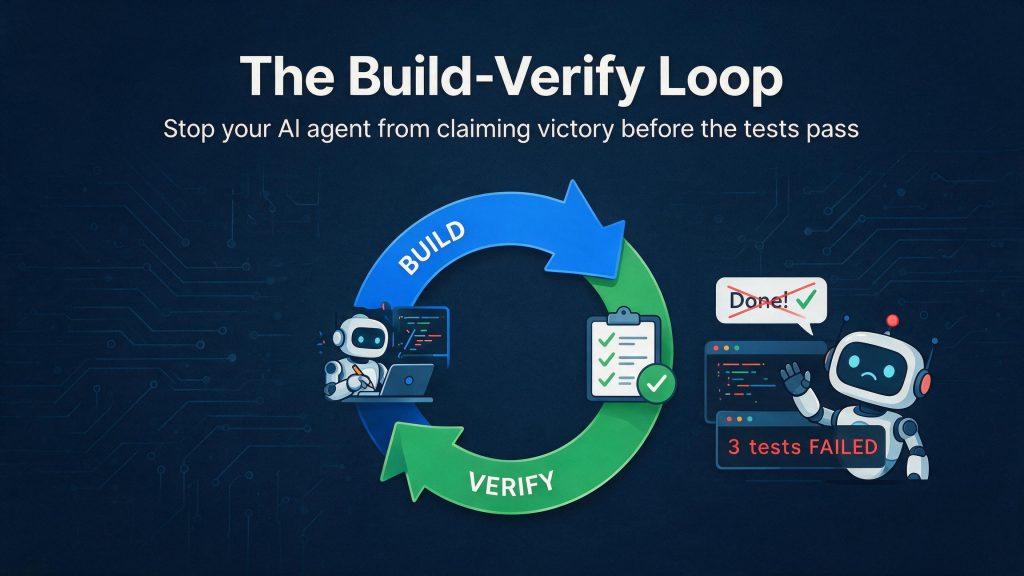
Most AI coding agents understand your repository the same way a junior developer would on their first day — by scanning raw files in…
Stories, experiments, research and deep‑dives into the world of artificial intelligence
Most AI coding agents understand your repository the same way a junior developer would on their first day — by scanning raw files in…
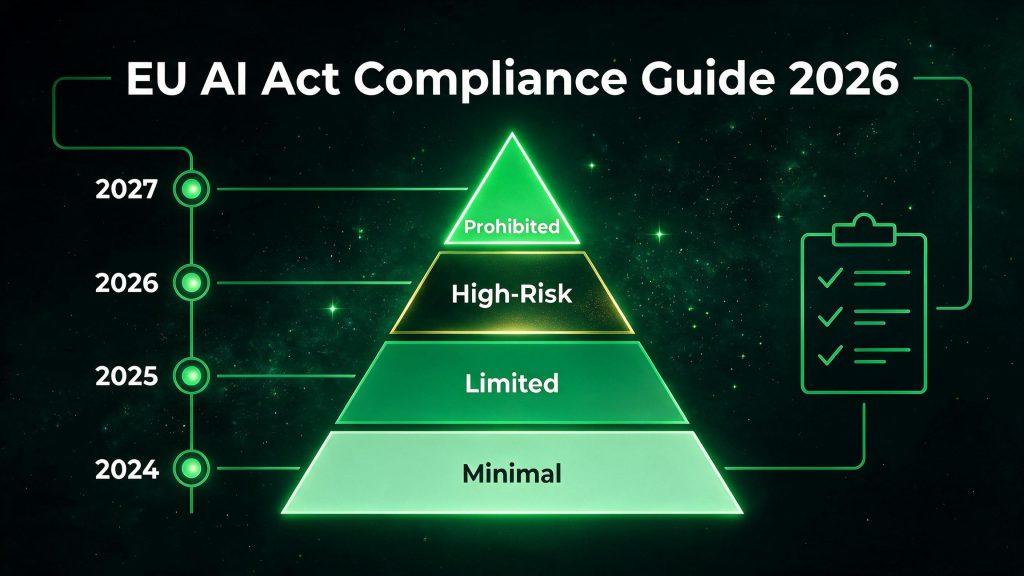
The 2026 wave of EU regulation makes AI governance and data protection a single, continuous compliance problem: if we ship or operate LLMs in…
TurboQuant is a KV-cache compression method from Google Research that was presented at ICLR 2026. In the reported results, it compresses KV cache values…
Artificial intelligence is simultaneously our most promising tool for fighting climate change and one of its fastest-growing contributors. As AI adoption accelerates globally, the…
Artificial intelligence is getting better fast, but the systems behind it are consuming more power, water, and hardware than most teams account for. The Stanford…
TurboQuant is a two-stage online vector quantization algorithm from Google Research (presented at ICLR 2026) that compresses LLM key-value caches to 3–3.5 bits per…
Privacy‑first AI tools trade some convenience for clear, technical guarantees that your data is not quietly fuelling someone else’s models. Why people look beyond…
When we talk about multi-agent AI in banking and insurance, we are really talking about splitting a heavy, regulated workflow — think KYC, AML,…
The cleanest way to compare Hermes Agent and OpenClaw is to keep both agents local, send the same workload to the same model backend,…
OpenCode is an open-source, terminal-native AI coding agent that supports 75+ LLM providers through an extensible configuration system. Because Regolo exposes a fully OpenAI-compatible…
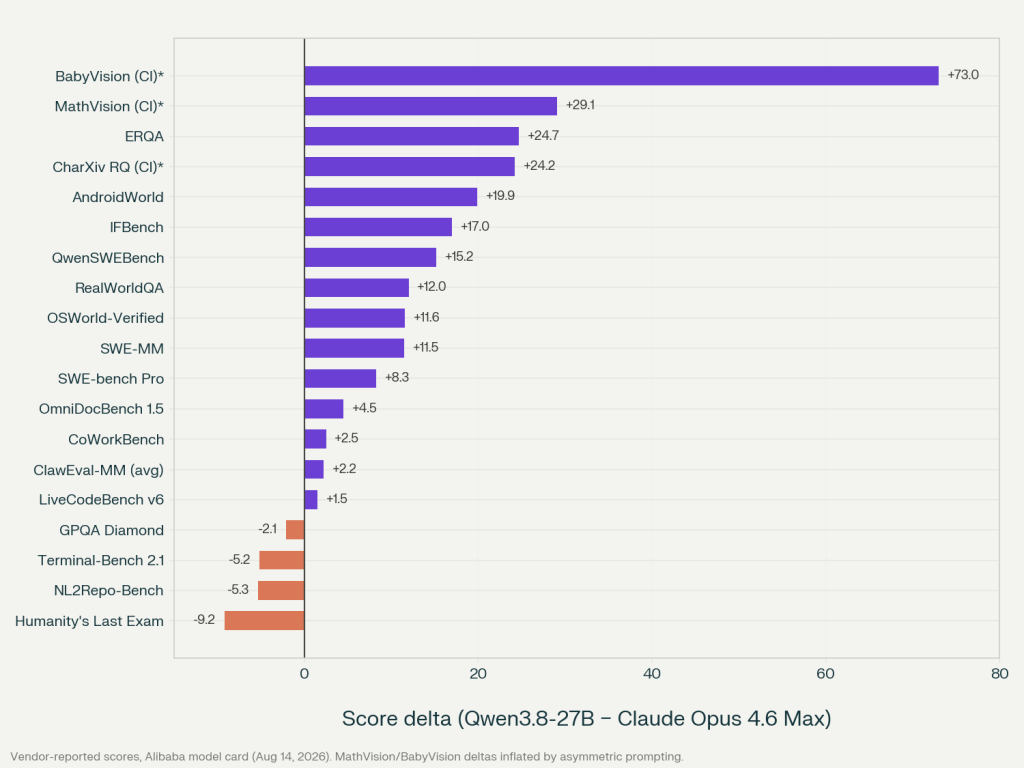
A benchmark-grounded guide for teams choosing between two of the strongest open models of 2026. What these two models actually are Gemma 4 31B is…
Inference efficiency in 2026 is about lowering cost per million tokens by improving utilization, reducing repeated work, and matching infrastructure to traffic shape. The…