
Give your AI agents persistent, GPDR compliance and memory
A step-by-step guide to installing agentmemory with OpenCode and Regolo.ai — keeping all session data on-premise, fully GDPR-compliant. Every AI coding agent forgets everything…
Transparent performance and cost comparisons between models, stacks, and deployment options, helping teams choose the fastest and most affordable setup.
A step-by-step guide to installing agentmemory with OpenCode and Regolo.ai — keeping all session data on-premise, fully GDPR-compliant. Every AI coding agent forgets everything…
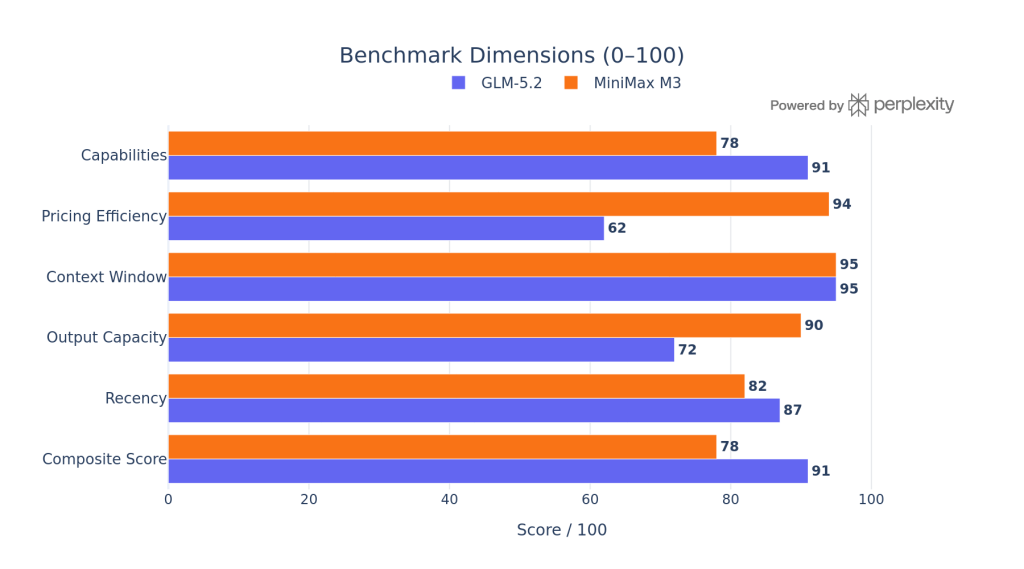
Both models were released in June 2026, both carry a 1M-token context window, and both target the same enterprise buyer: teams that want frontier…
Token cost optimization is no longer a side concern. In 2026, it is the control lever that separates scalable AI systems from budget black…
As generative AI applications move from fragile prototypes to high-scale production systems, the operational costs of LLM API calls can quickly spiral out of…
These are two open-weight models released in June 2026 just one day apart, both Mixture-of-Experts systems and both aimed at developers but under that…
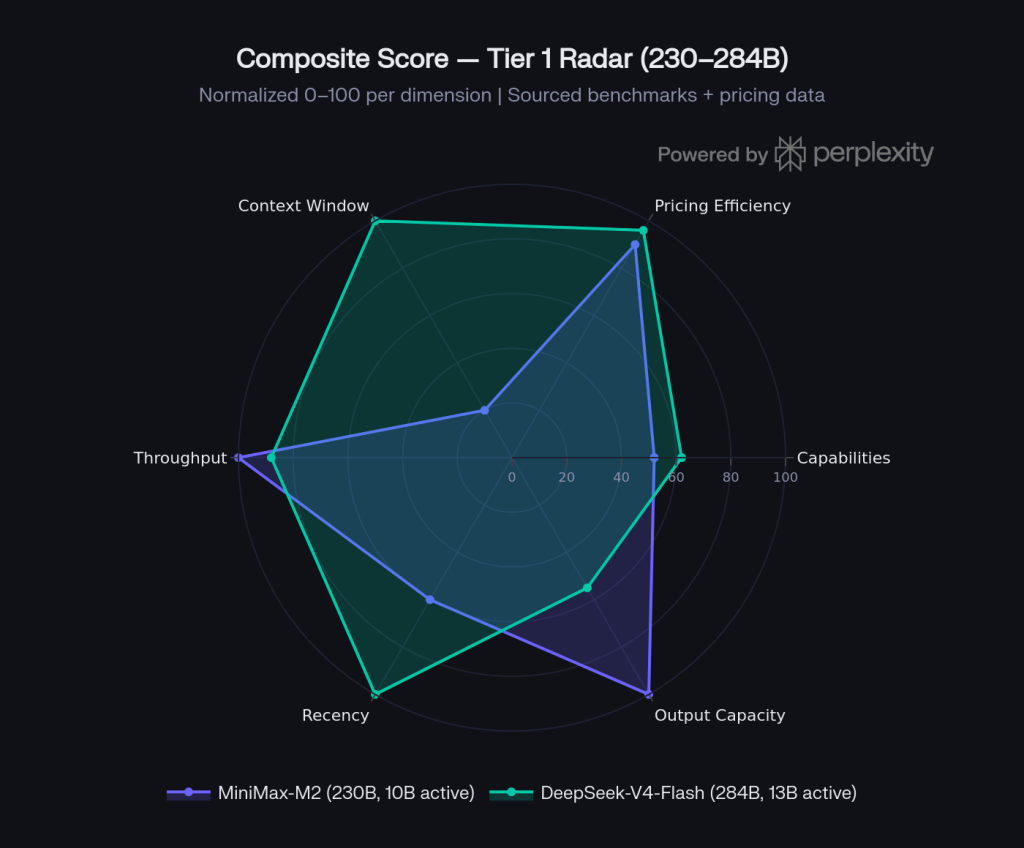
Choosing between MiniMax and DeepSeek is not a single decision — it depends on which size tier you are operating in. This article organizes…
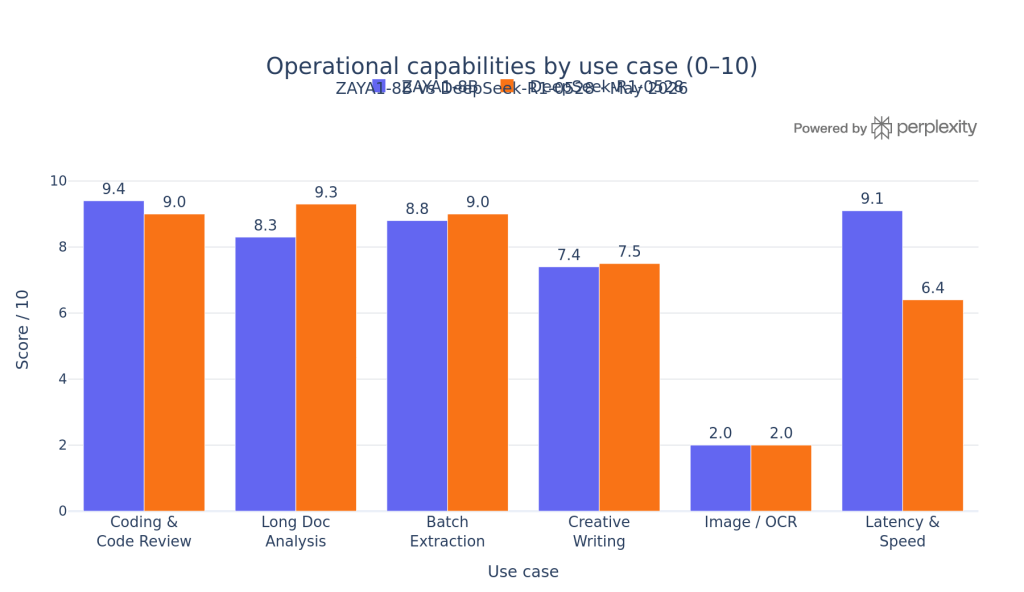
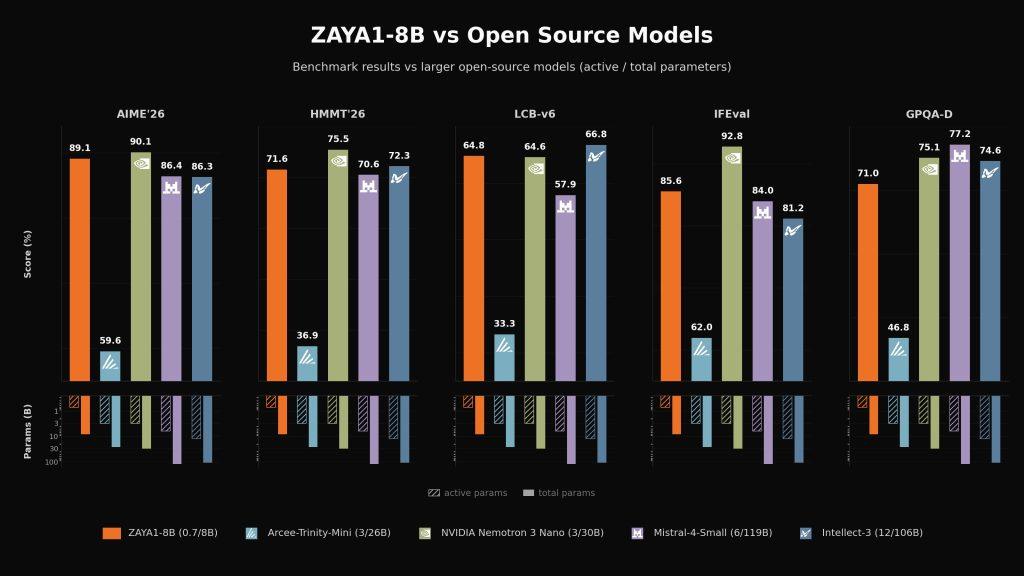
For most companies, ZAYA1-8B is the better open-weight choice when coding, reasoning efficiency, and serving cost matter more than raw scale, while DeepSeek-R1-0528 is…
Which open model families still make sense when a deployment really scales to zero and cold starts start hurting product experience.
Zyphra made ZAYA1-8B strong not by making it huge, but by making it efficient at every layer of the stack. The short version is…
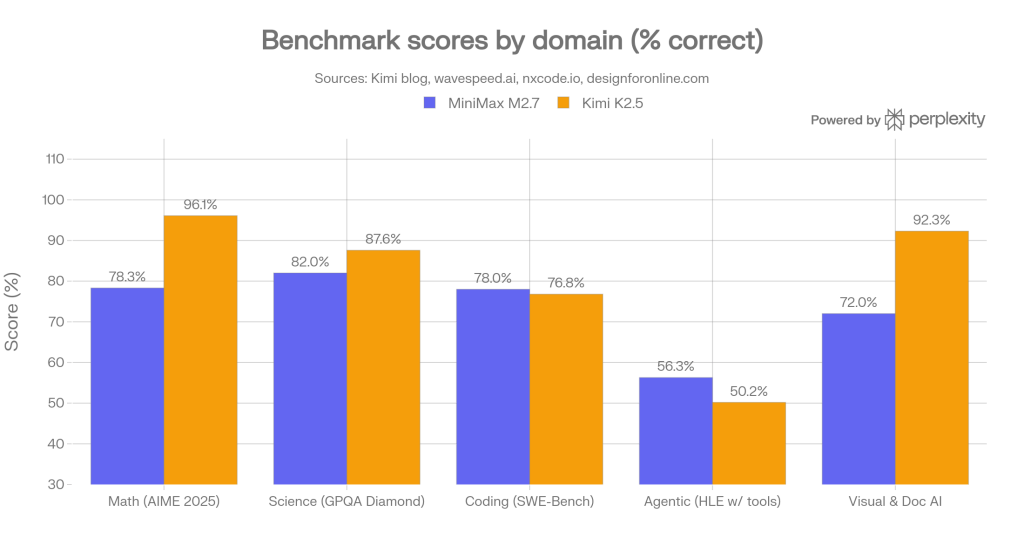
Both MiniMax M2.7 and Kimi K2.5 are open-weight Mixture-of-Experts models released in early 2026 that punch well above their cost class. They are not…
Artificial intelligence is simultaneously our most promising tool for fighting climate change and one of its fastest-growing contributors. As AI adoption accelerates globally, the…
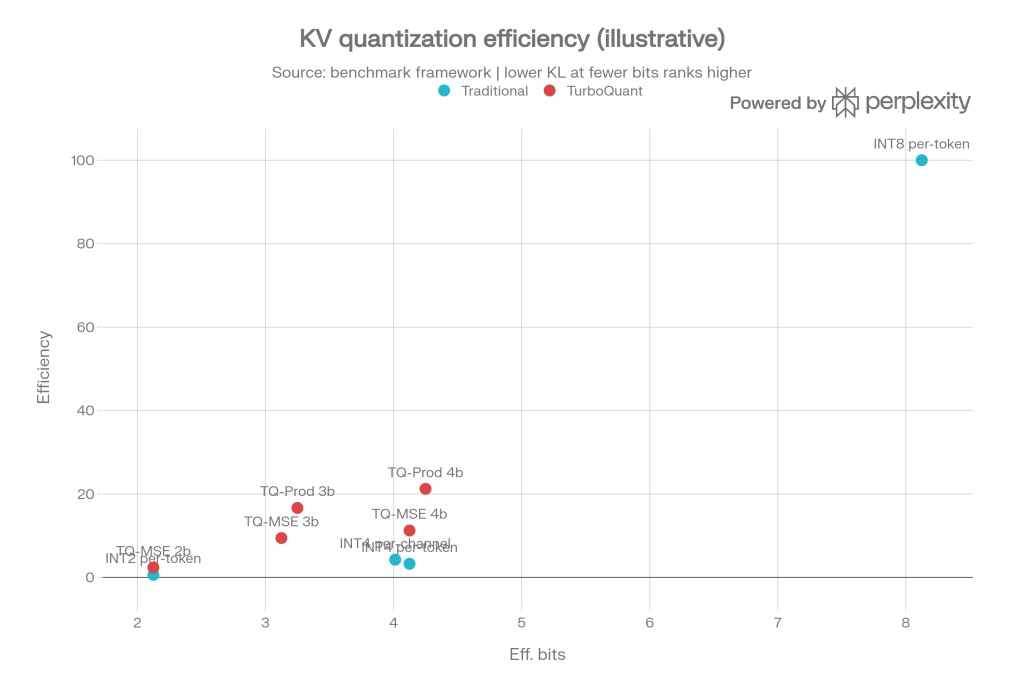
TurboQuant is a two-stage online vector quantization algorithm from Google Research (presented at ICLR 2026) that compresses LLM key-value caches to 3–3.5 bits per…