Common Pitfalls in Agent Harness Design and How to Avoid Them
An agent harness is the layer around a model that manages context, tools, permissions, memory, execution flow, and monitoring. Many teams blame the model…
Step‑by‑step guides that show developers exactly how to build, integrate, and ship AI features with Regolo, using real code samples and ready‑to‑run projects.
An agent harness is the layer around a model that manages context, tools, permissions, memory, execution flow, and monitoring. Many teams blame the model…
On June 15, 2026, Boris Cherny, head of Claude Code at Anthropic, shifted the industry perspective on AI systems with a simple admission: "I…
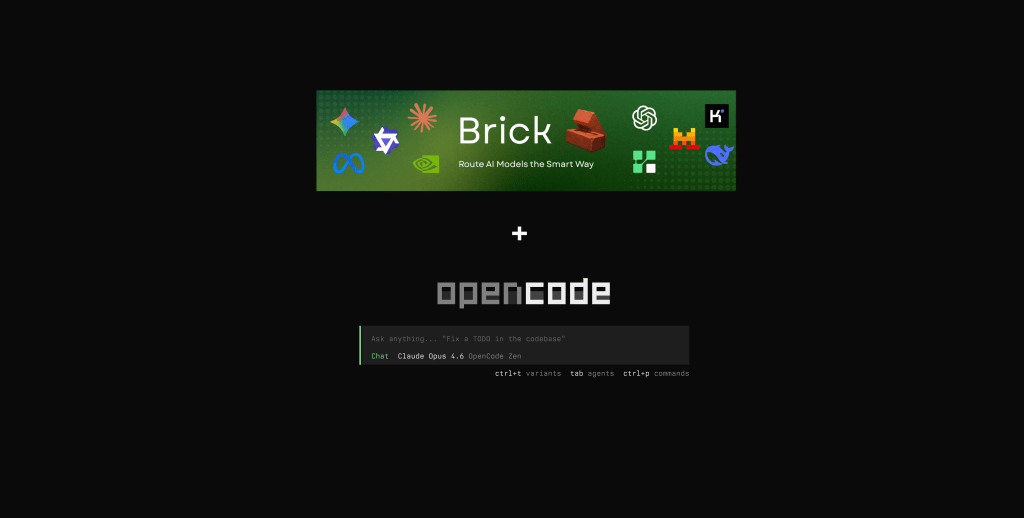
Step-by-step guide to setting up opencode with Brick-V1-Beta for automatic model routing across 6 specialized subagents via Regolo API.
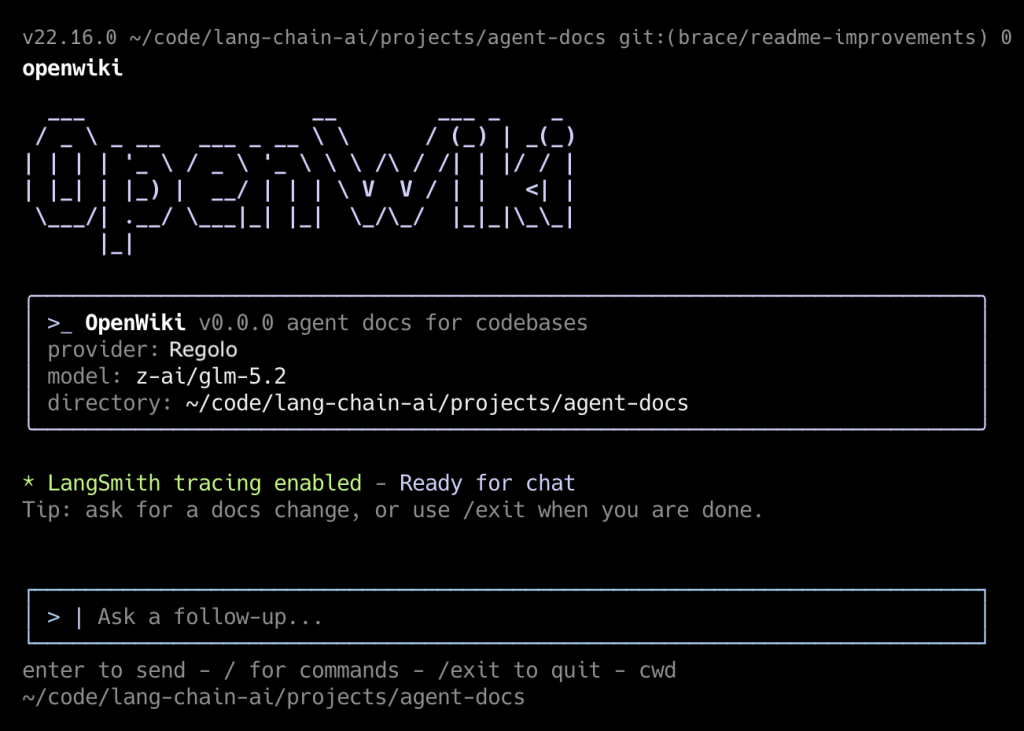
OpenWiki is a CLI tool built by LangChain that writes and maintains documentation for your codebase using an LLM agent – Instead of hand-writing…
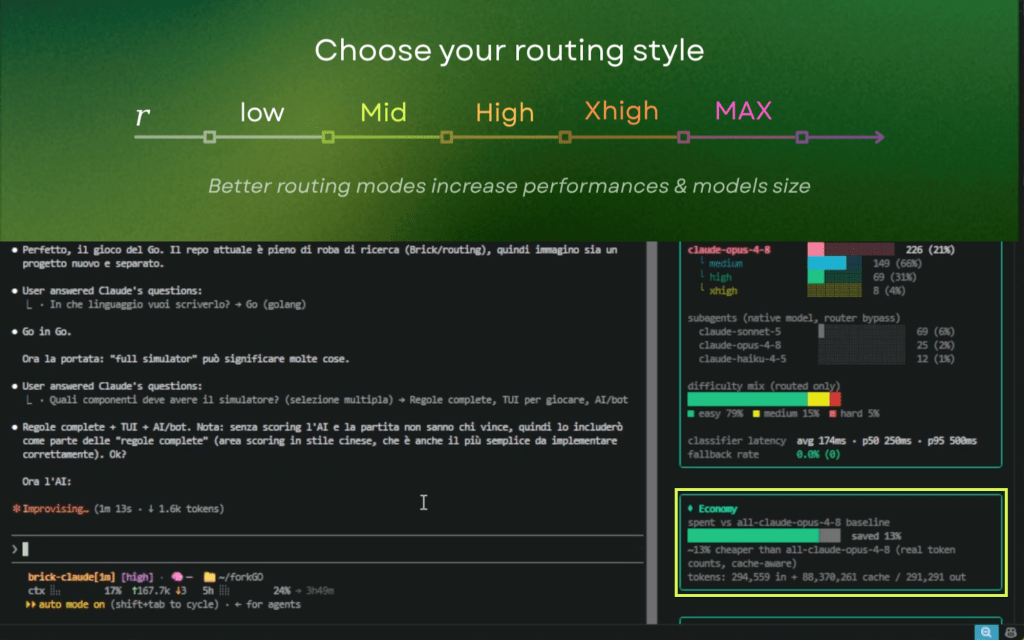
Brick is an open-source routing gateway (Mixture-of-Models or MoM) that automatically forwards each user query to the optimal model from your configured pool, analyzing…
A step-by-step guide to installing agentmemory with OpenCode and Regolo.ai — keeping all session data on-premise, fully GDPR-compliant. Every AI coding agent forgets everything…
This pattern is for teams building RAG over millions of chunks, where float32 embeddings start to dominate RAM, SSD, and retrieval cost. This is…
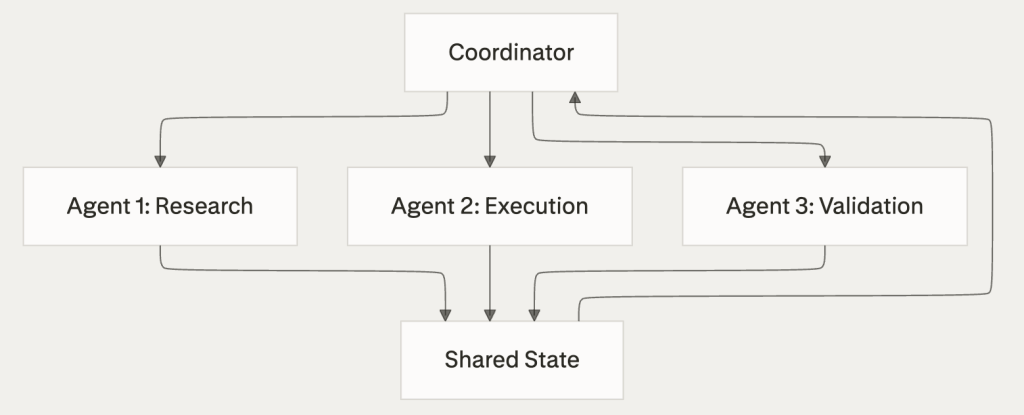
Many teams building production AI applications quickly realize that single-turn prompting inevitably falls apart when faced with intricate, open-ended tasks. We have spent the…
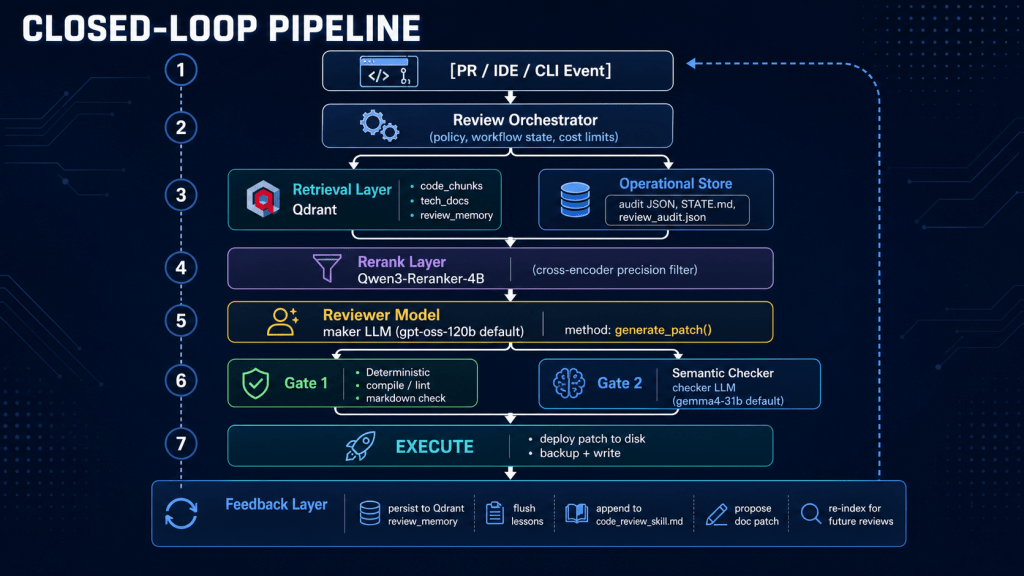
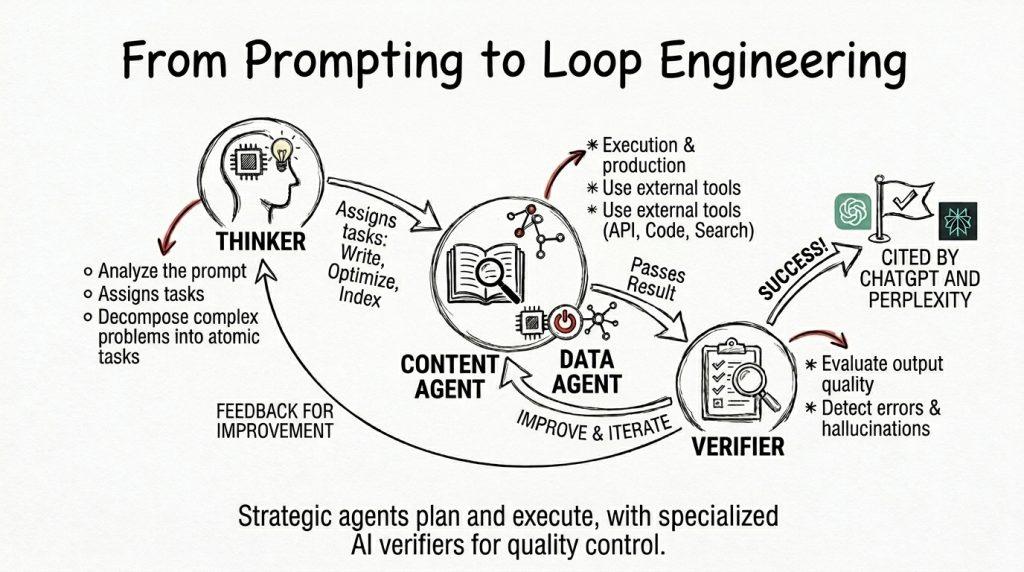
Stop acting as the feedback mechanism for your AI. Instead of traditional prompting (You → Prompt → Agent → Output → You Fix), design…
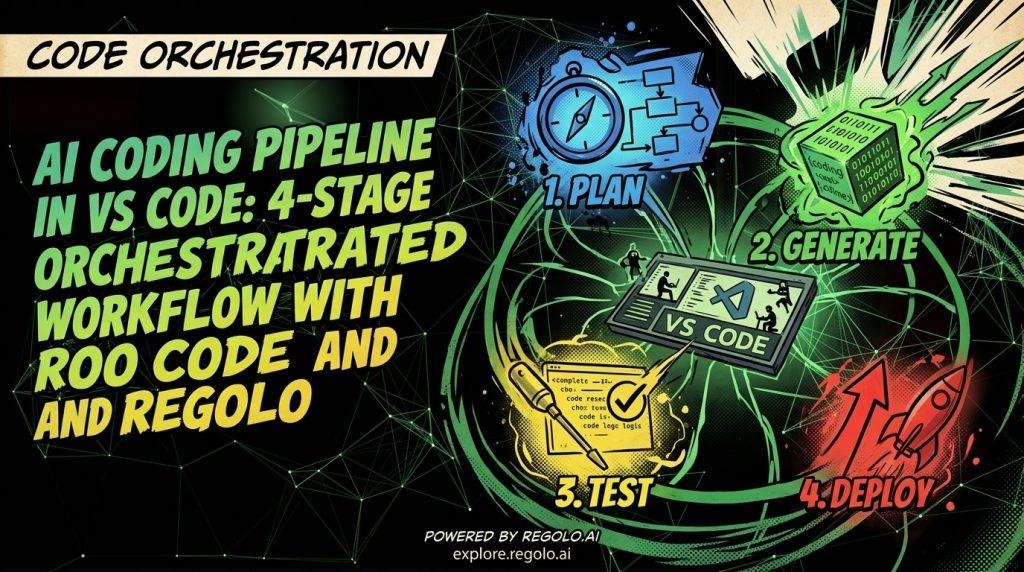
Most teams use AI coding agents wrong. They throw a massive prompt at a single LLM, hit the context window limit, and end up…
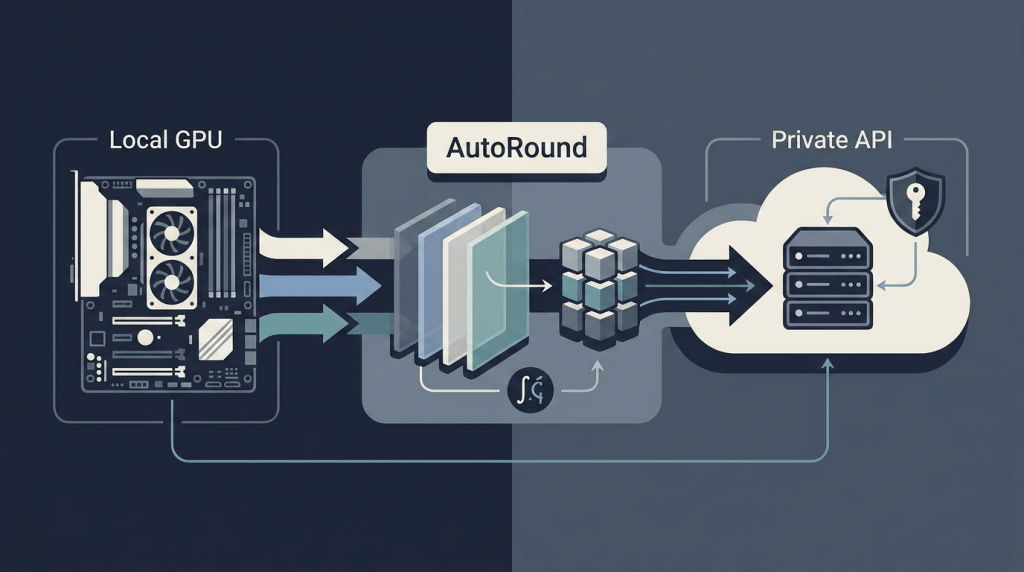
Your RTX 4090 just became a 70B-model machine. Intel's AutoRound makes it possible — and this guide shows exactly how to quantize, export to…
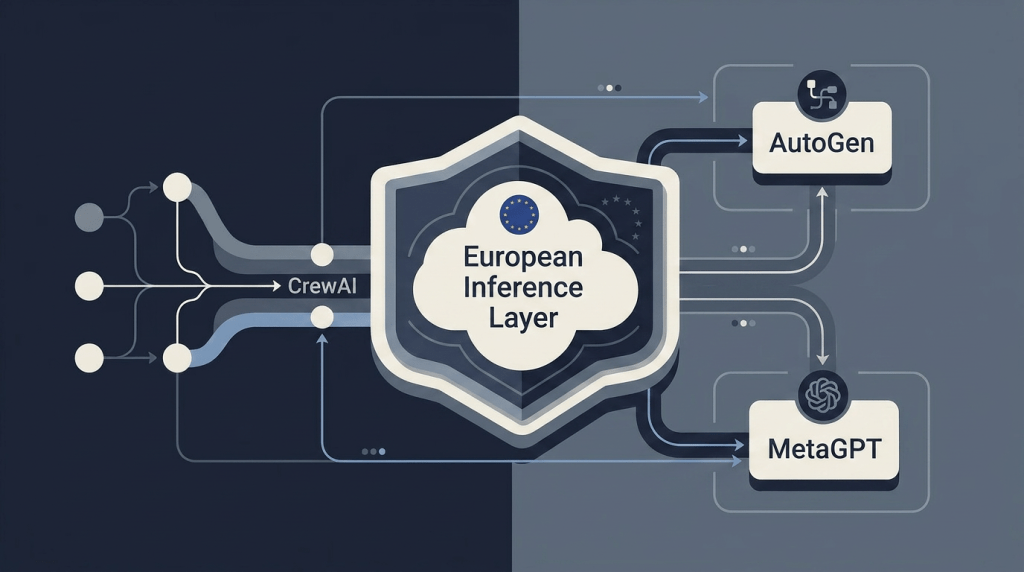
Many teams eagerly wire up a multi-agent framework to automate their workflows and point it at a default US-based API, only to later realize…