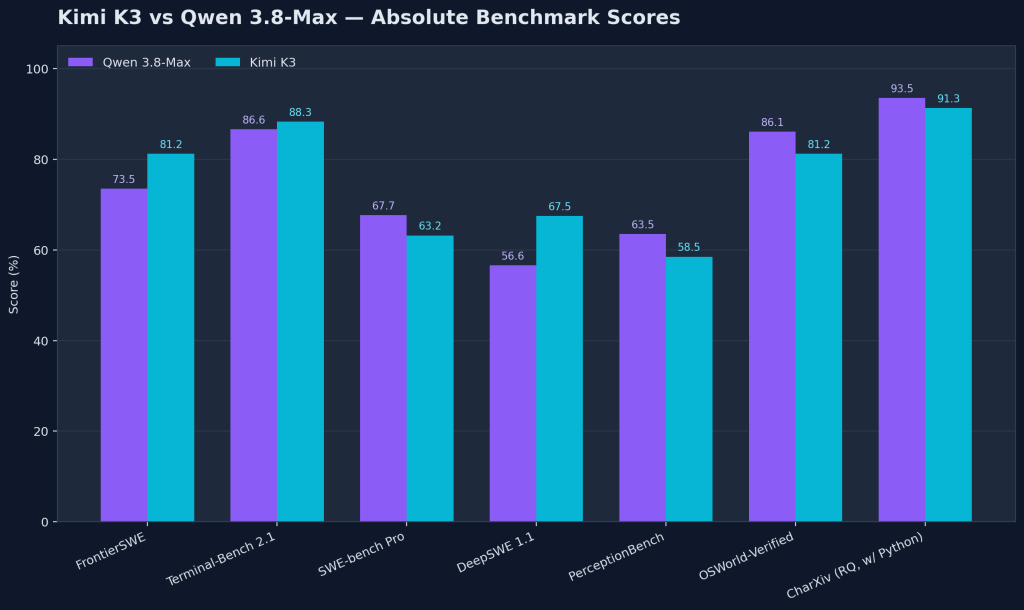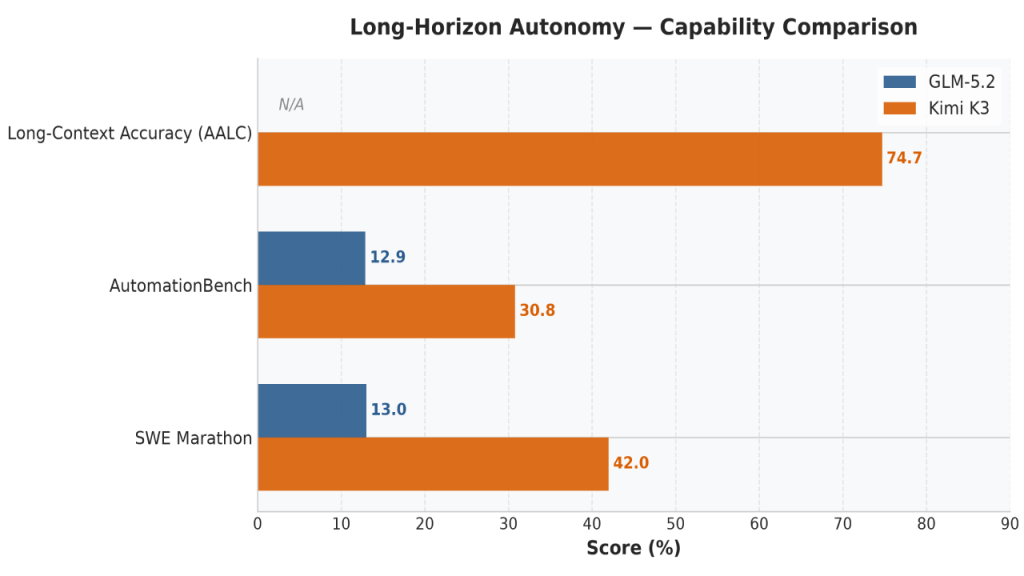
MiniMax M2.7 vs Kimi K2.5: when to use which
Both MiniMax M2.7 and Kimi K2.5 are open-weight Mixture-of-Experts models released in early 2026 that punch well above their cost class. They are not…
Articles, research, and perspectives from this author.
Both MiniMax M2.7 and Kimi K2.5 are open-weight Mixture-of-Experts models released in early 2026 that punch well above their cost class. They are not…
At AI Salon Rome, the conversation was not about AI in the abstract, It was about what it actually takes to build systems that…
A practical guide to choosing between Qwen, Mistral, and Gemma based on workload, cost, serving profile, and model family tradeoffs.
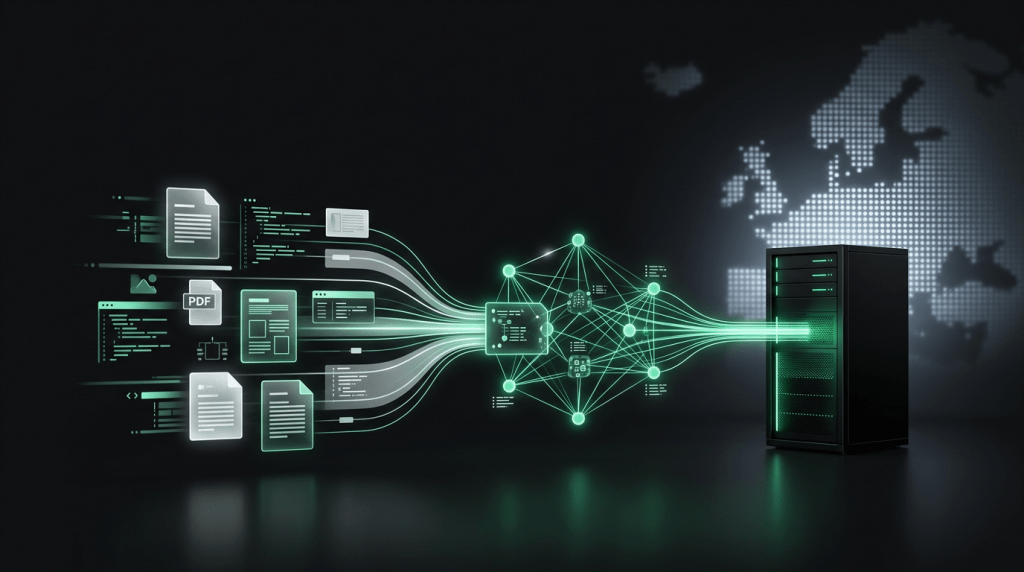
Keep inference inside EU jurisdiction, minimize retention, and design the stack so prompts, outputs, and tool payloads do not persist unless they truly must.…
Most AI coding agents understand your repository the same way a junior developer would on their first day — by scanning raw files in…
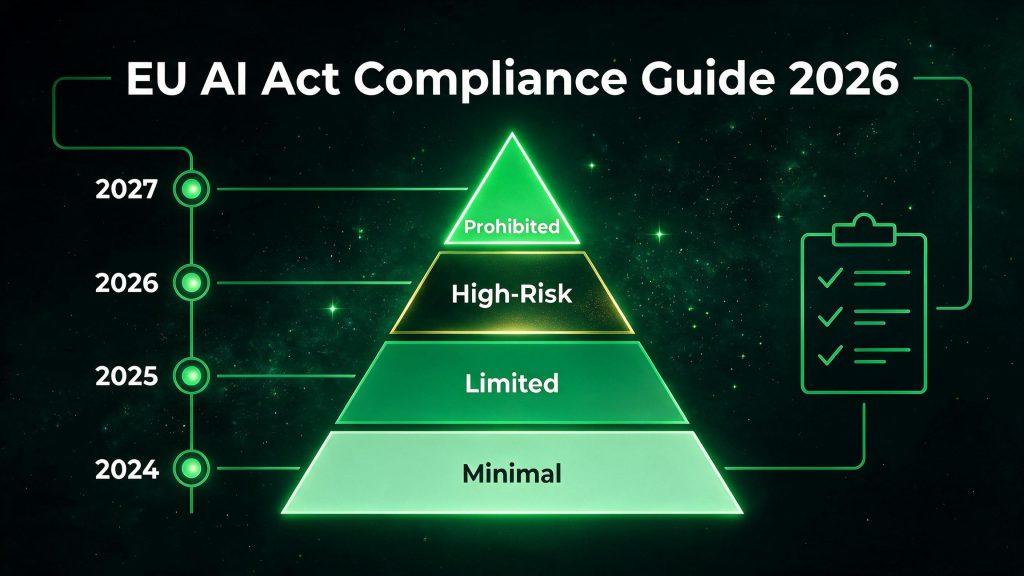
The 2026 wave of EU regulation makes AI governance and data protection a single, continuous compliance problem: if we ship or operate LLMs in…
TurboQuant is a KV-cache compression method from Google Research that was presented at ICLR 2026. In the reported results, it compresses KV cache values…
Artificial intelligence is simultaneously our most promising tool for fighting climate change and one of its fastest-growing contributors. As AI adoption accelerates globally, the…
TurboQuant is a two-stage online vector quantization algorithm from Google Research (presented at ICLR 2026) that compresses LLM key-value caches to 3–3.5 bits per…
Privacy‑first AI tools trade some convenience for clear, technical guarantees that your data is not quietly fuelling someone else’s models. Why people look beyond…
When we talk about multi-agent AI in banking and insurance, we are really talking about splitting a heavy, regulated workflow — think KYC, AML,…
The cleanest way to compare Hermes Agent and OpenClaw is to keep both agents local, send the same workload to the same model backend,…