The green AI paradox: balancing innovation with planetary health
Artificial intelligence is getting better fast, but the systems behind it are consuming more power, water, and hardware than most teams account for. The Stanford…
Stories, experiments, research and deep‑dives into the world of artificial intelligence
Artificial intelligence is getting better fast, but the systems behind it are consuming more power, water, and hardware than most teams account for. The Stanford…
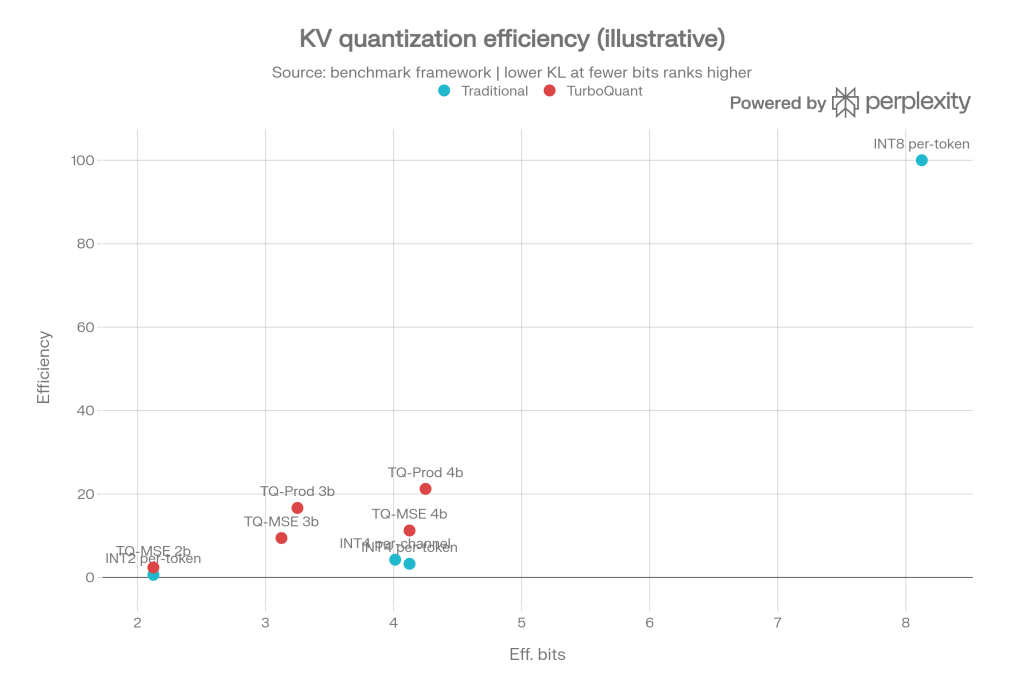
TurboQuant is a two-stage online vector quantization algorithm from Google Research (presented at ICLR 2026) that compresses LLM key-value caches to 3–3.5 bits per…
Privacy‑first AI tools trade some convenience for clear, technical guarantees that your data is not quietly fuelling someone else’s models. Why people look beyond…
When we talk about multi-agent AI in banking and insurance, we are really talking about splitting a heavy, regulated workflow — think KYC, AML,…
The cleanest way to compare Hermes Agent and OpenClaw is to keep both agents local, send the same workload to the same model backend,…
OpenCode is an open-source, terminal-native AI coding agent that supports 75+ LLM providers through an extensible configuration system. Because Regolo exposes a fully OpenAI-compatible…
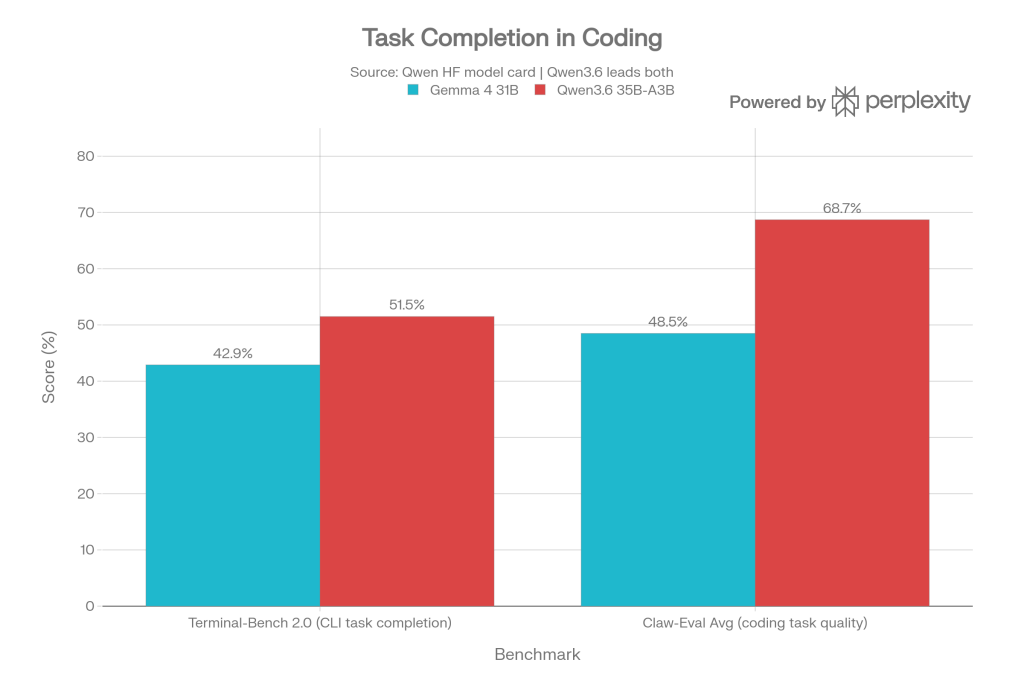
A benchmark-grounded guide for teams choosing between two of the strongest open models of 2026. What these two models actually are Gemma 4 31B is…
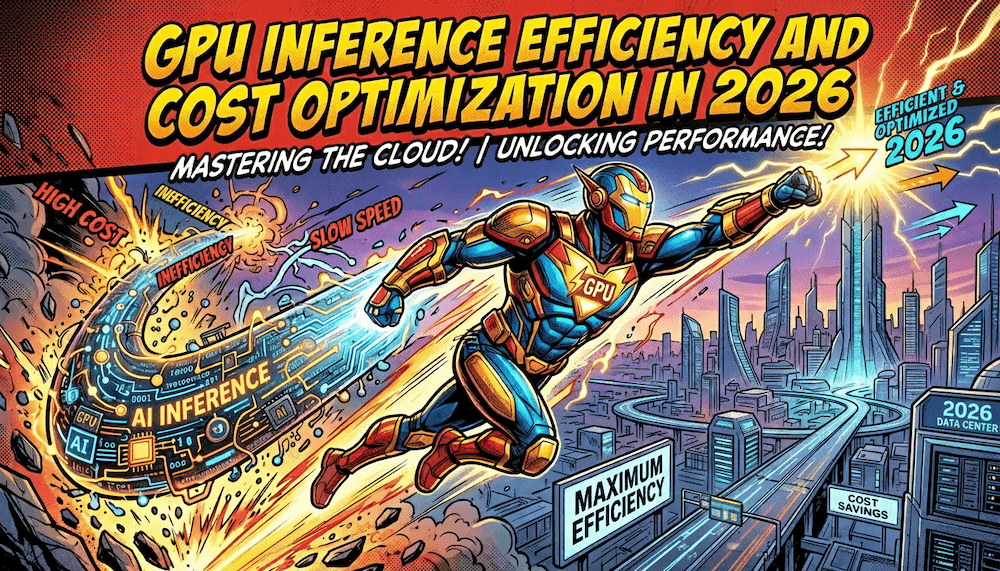
Inference efficiency in 2026 is about lowering cost per million tokens by improving utilization, reducing repeated work, and matching infrastructure to traffic shape. The…
Privacy‑focused LLM APIs put control over prompts and outputs back in your hands by minimizing logging, enforcing strict retention, and staying out of training…
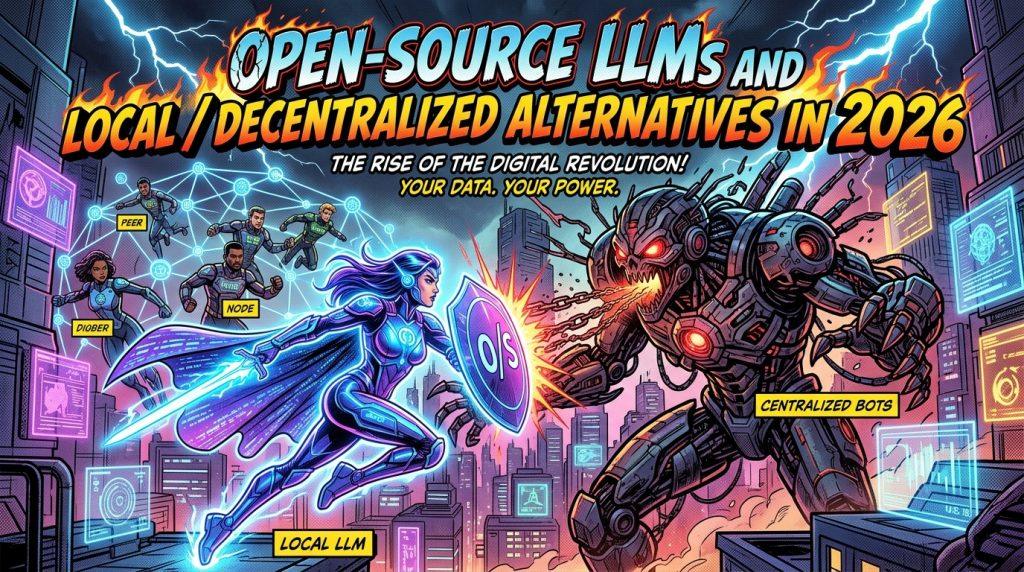
Open-source / open-weight models are no longer “second tier”: GLM-5.1 and Gemma 4 compete with or surpass closed LLMs on coding and reasoning benchmarks,…
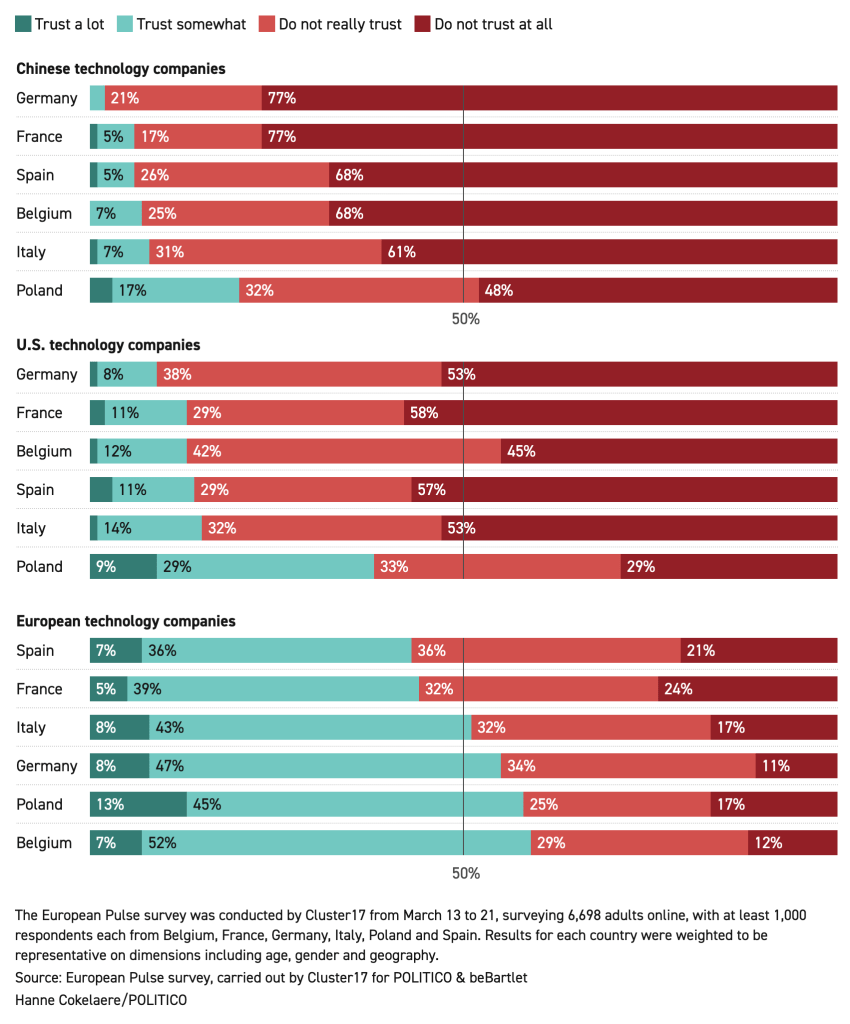
A March 2026 Politico survey put a number on something many people in European tech had already felt: 84% of Europeans do not trust…
We can treat MiniMax “skills” as reusable, high-level instruction blocks or toolkits that specialize an AI agent for tasks like frontend dev, PDF/XLSX processing,…